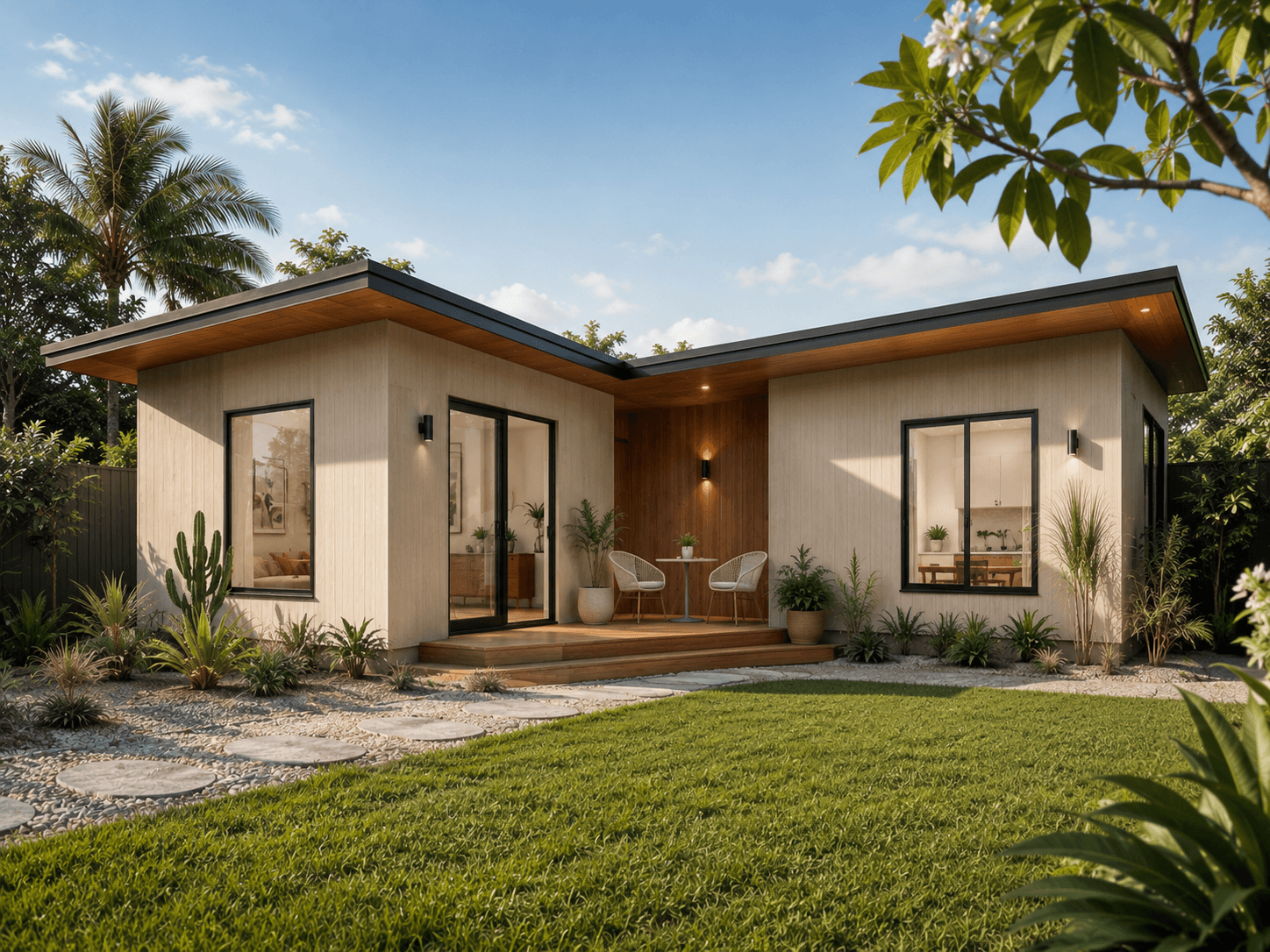
What Are Granny Flats? Complete Guide to Secondary Dwellings in Australia
Granny flats have become one of the most popular housing solutions in Australia. These self-contained secondary dwellings offer homeowners flexibility, additional income potential, and a way to keep family members close while maintaining independence. But what exactly is a granny flat, and why are so many Australians choosing to build one?
What Is a Granny Flat? Understanding Secondary Dwellings
A granny flat is a self-contained residential dwelling located on the same property as a primary residence. Also known as a secondary dwelling, auxiliary dwelling unit (ADU), or ancillary dwelling, granny flats are complete living spaces that include their own bedroom, bathroom, kitchen, and living area.
The term "granny flat" originated from the common practice of building these dwellings to house elderly parents or grandparents. However, modern granny flats serve many purposes beyond accommodating family members, including rental income, home offices, guest accommodation, and housing for adult children.
Types of Granny Flats in Australia
Granny flats come in various forms to suit different property layouts, budgets, and needs. Understanding the different types helps you choose the right secondary dwelling for your situation.
Detached Granny Flats
Detached granny flats are standalone structures separate from the main house. These secondary dwellings offer maximum privacy and independence for occupants. Detached granny flats are the most common type built in Queensland and NSW, ranging from compact 40m² studios to spacious 60m² two-bedroom designs.
Attached Granny Flats
Attached granny flats share a wall with the primary residence but have their own separate entrance. This granny flat type can be more cost-effective as it utilises existing structures and may require less site preparation.
Converted Granny Flats
Some homeowners convert existing structures like garages, sheds, or unused rooms into granny flats. While conversions can be economical, they must meet all building codes and council requirements for secondary dwellings.
Benefits of Building a Granny Flat
Granny flats offer numerous advantages for Australian homeowners. The benefits extend beyond simple accommodation, providing financial, lifestyle, and property value improvements.
- Rental income: Granny flats can generate $300-$600+ per week in rental income, helping offset mortgage payments
- Multi-generational living: Keep elderly parents or adult children close while maintaining privacy and independence
- Property value increase: A well-designed granny flat can add significant value to your property
- Work from home space: Create a dedicated home office or studio separate from your main living areas
- Guest accommodation: Provide comfortable, private space for visiting family and friends
- Downsizing option: Move into the granny flat and rent out the main house for retirement income
Who Lives in Granny Flats?
Modern granny flats accommodate diverse occupants beyond the traditional elderly family member. Understanding who uses secondary dwellings helps you design the right granny flat for your needs.
Common granny flat occupants include elderly parents seeking independence near family, adult children saving for their first home, tenants providing rental income, remote workers needing dedicated office space, and guests requiring private accommodation during visits.
Granny Flat vs Tiny Home: What's the Difference?
While granny flats and tiny homes share similarities as compact living spaces, key differences exist. Granny flats are permanent secondary dwellings attached to a primary residence's property, subject to local council regulations and building codes. Tiny homes are often mobile or semi-permanent structures that may not require the same approvals.
In Queensland and NSW, granny flats must comply with specific size limits, setback requirements, and building standards. Tiny homes on wheels may be classified differently under local regulations. For a permanent, compliant secondary dwelling, a purpose-built granny flat is typically the better choice.
How Much Does a Granny Flat Cost?
Granny flat costs in Australia vary based on size, design, finishes, and site conditions. As a general guide, expect to invest between $100,000 and $250,000 for a quality granny flat including construction, approvals, and site works.
Factors affecting granny flat costs include the dwelling size (40m² to 60m²), design complexity, interior finishes and fixtures, site preparation requirements, council approval fees, and connection to utilities. Working with an experienced granny flat builder helps ensure accurate costing and avoids unexpected expenses.
Granny Flats in Queensland and NSW
Queensland and New South Wales have embraced granny flats as a solution to housing affordability and density challenges. Both states have streamlined approval processes for compliant secondary dwellings, making it easier than ever to build a granny flat.
In South East Queensland, including Brisbane, Gold Coast, and Sunshine Coast, granny flats up to 80m² can often be approved through complying development pathways. Northern NSW regions like Tweed Heads follow similar regulations, allowing secondary dwellings that meet specific criteria.
Ready to explore granny flat options for your property? Browse our range of granny flat designs or contact our team for a free consultation.
Getting Started with Your Granny Flat
Building a granny flat begins with understanding your property's potential and local regulations. Key first steps include checking your property size and zoning, understanding council requirements, determining your budget and financing options, and choosing a reputable granny flat builder.
At Universe Granny Flats, we specialise in quality secondary dwellings across South East Queensland and Northern NSW. Our experienced team guides you through every step, from initial consultation to handover of your completed granny flat.
Next, learn about whether granny flats need council approval and what the approval process involves.
Related Topics
Related Articles
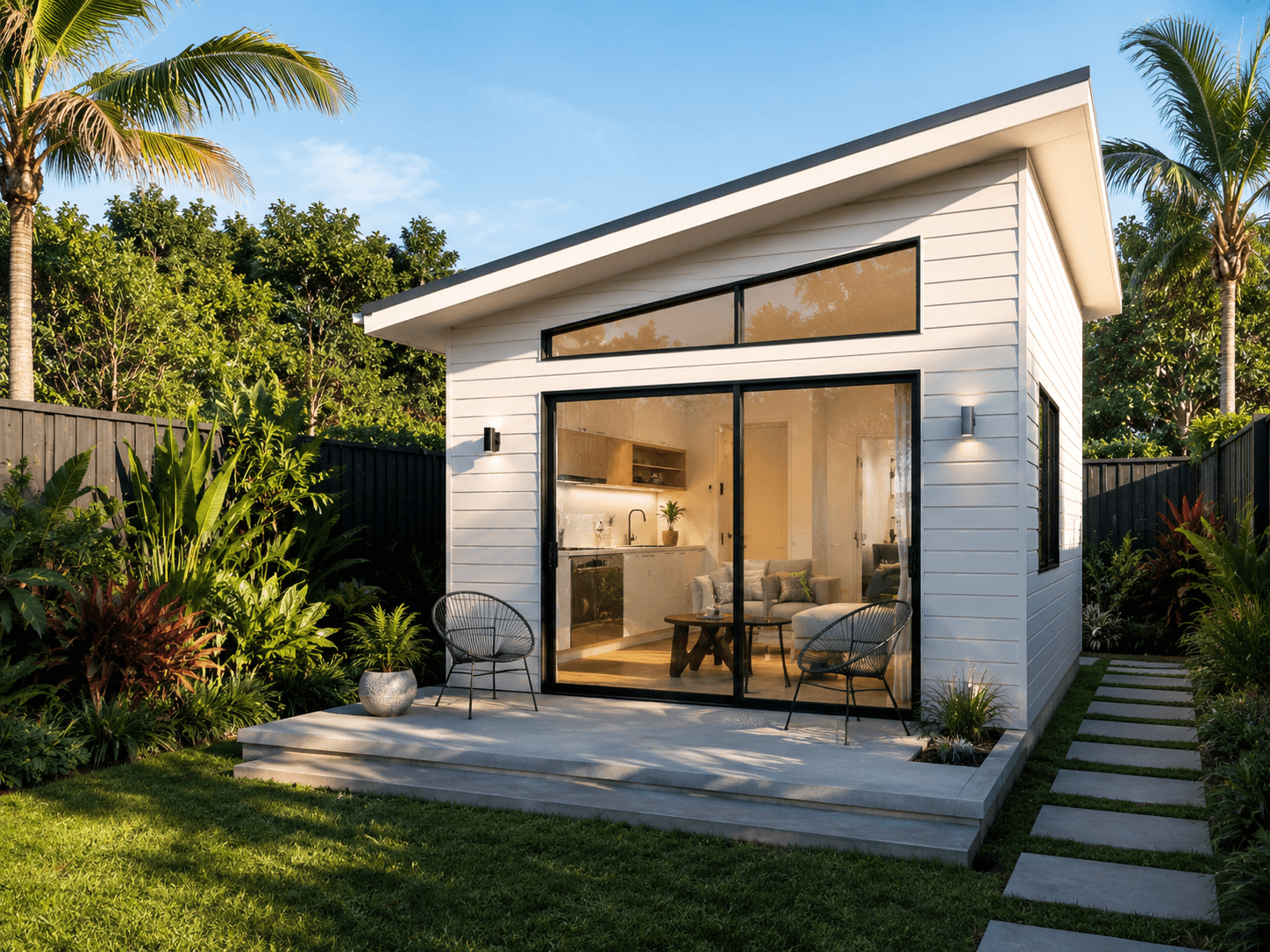
How Big Are Granny Flats? Size Guide & Maximum Limits
Granny flat sizes range from compact 40m² studios to spacious 80m² family homes. Learn about size limits, regulations, and how to choose the right dimensions for your secondary dwelling.
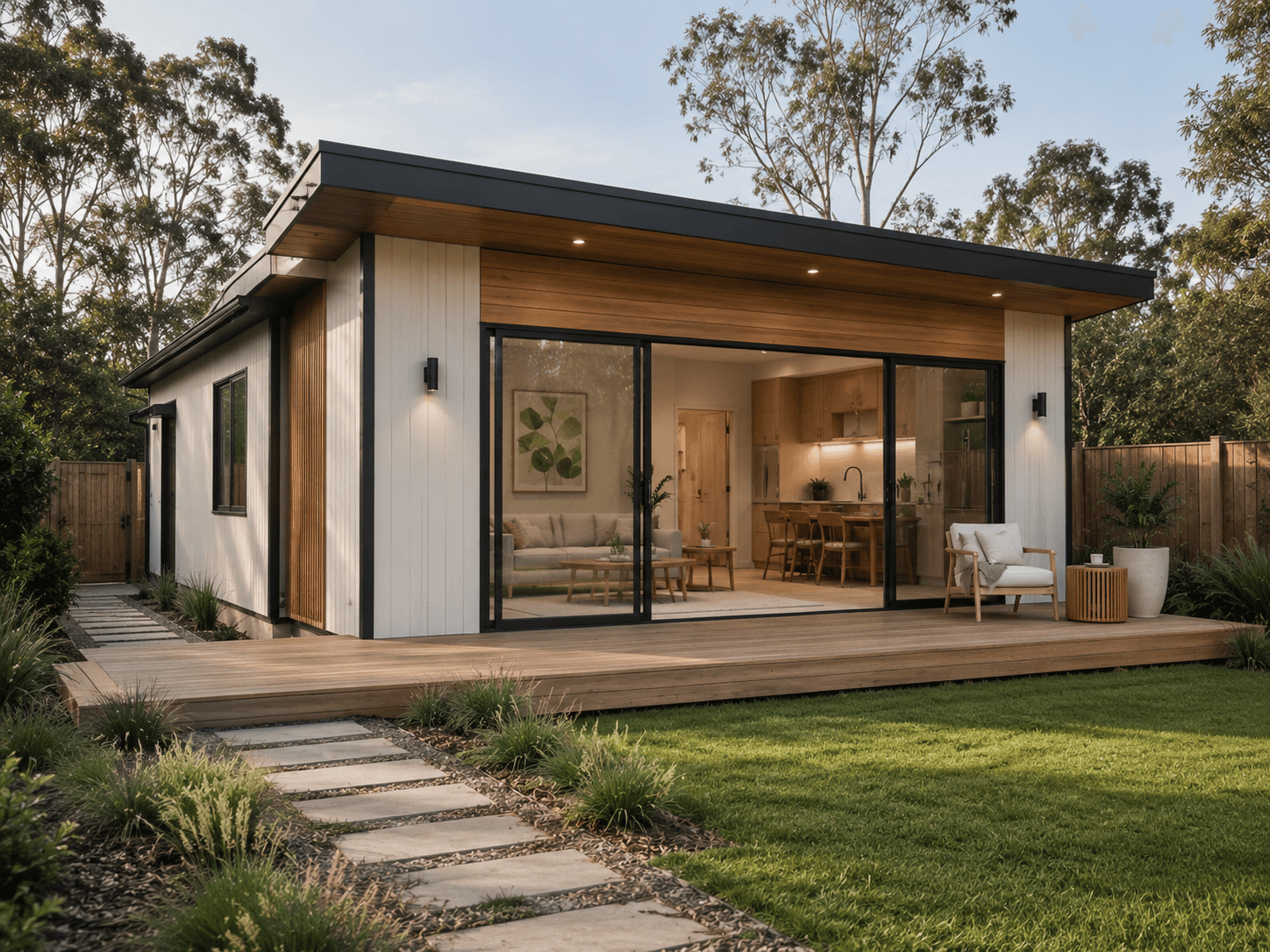
Granny Flat Rules & Regulations: Complete QLD & NSW Guide
Navigate granny flat regulations with confidence. This comprehensive guide covers all the rules for secondary dwellings in Queensland and NSW, from setbacks to parking requirements.
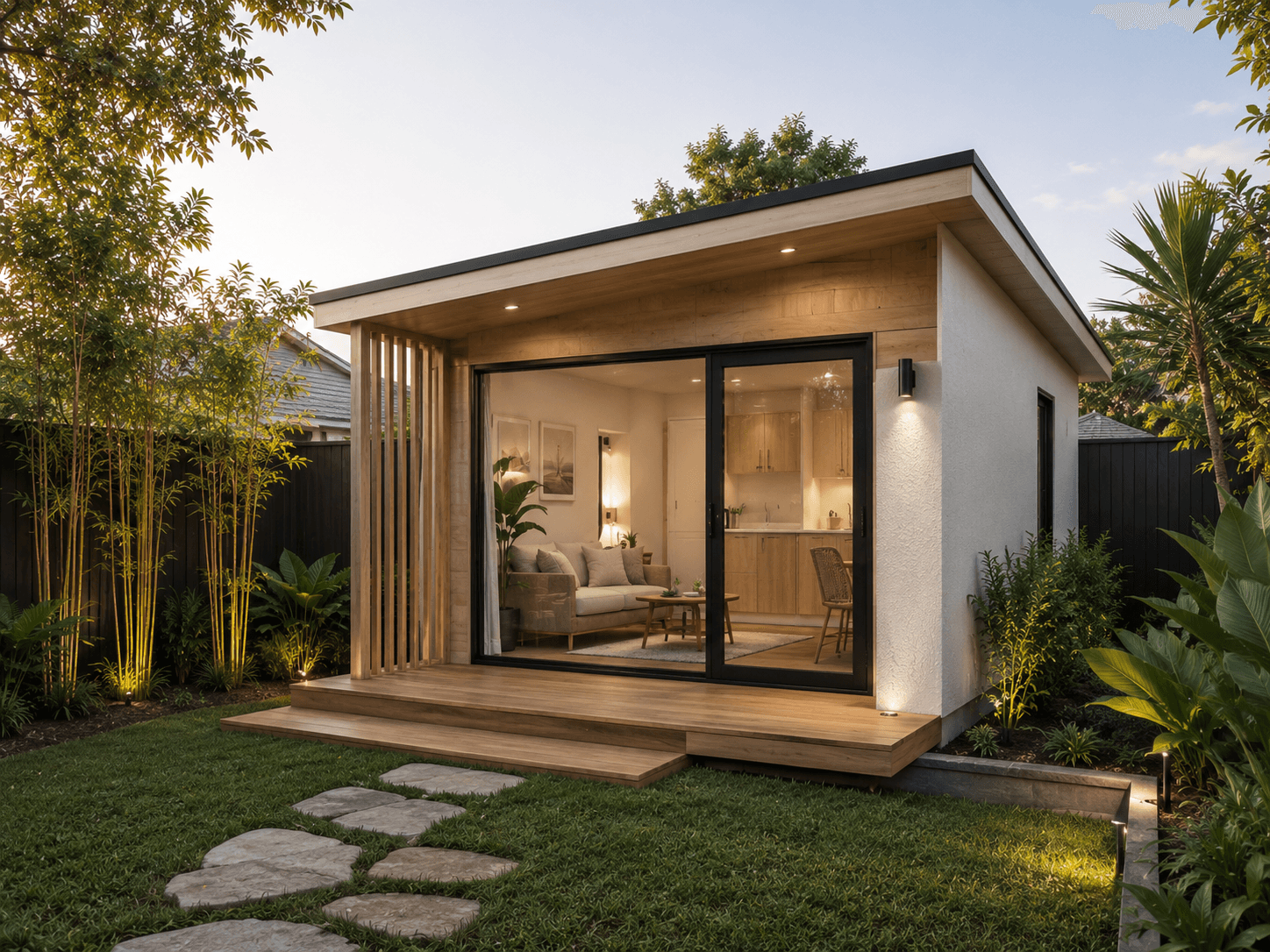
Do Granny Flats Need Council Approval? QLD & NSW Requirements
Understanding granny flat approval requirements is essential before building. Learn about council approval pathways in Queensland and NSW, including complying development options.
Ready to Start Your Granny Flat Project?
Get expert guidance from our team. We handle everything from design to approvals to construction.