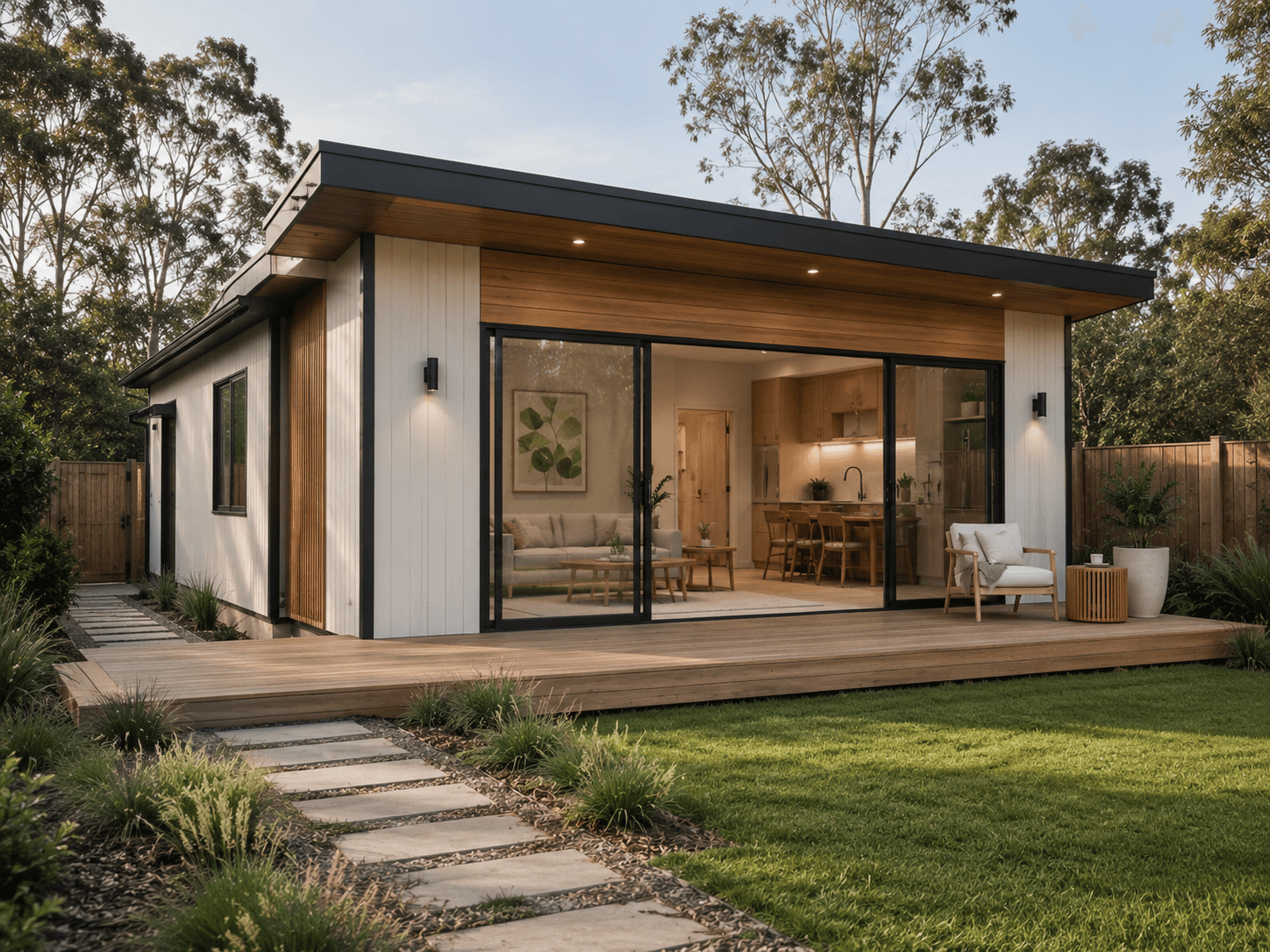
Granny Flat Rules & Regulations: Complete QLD & NSW Guide
Building a granny flat involves navigating various rules and regulations. Understanding these requirements before you start ensures your secondary dwelling project proceeds smoothly and results in a compliant, quality home. This guide covers the key regulations affecting granny flats in Queensland and NSW.
Overview of Granny Flat Regulations
Granny flat rules come from multiple sources including state planning policies, local council planning schemes, and the Building Code of Australia. These regulations control where you can build, how big your granny flat can be, and what standards it must meet.
Key regulatory areas include lot size requirements, floor area limits, setback distances, height restrictions, parking provisions, and building standards. Each element must be satisfied for your granny flat to receive approval and certification.
Minimum Lot Size for Granny Flats
Your property must meet minimum lot size requirements before a granny flat can be approved. These minimums ensure adequate space for the secondary dwelling while maintaining appropriate density levels.
NSW Lot Size Requirements
In NSW, complying development for granny flats requires a minimum lot size of 450m² in most residential zones. Some councils have different requirements, and properties in certain zones may need larger lots. Heritage areas and environmental zones often have stricter requirements or may not permit secondary dwellings at all.
Queensland Lot Size Requirements
Queensland councils set their own minimum lot sizes for secondary dwellings. Common requirements range from 450m² to 600m² depending on the zone and council. Brisbane, Gold Coast, and Sunshine Coast each have specific provisions in their planning schemes.
Granny Flat Setback Requirements
Setbacks determine how far your granny flat must be from property boundaries, the main house, and other structures. These rules ensure adequate separation for privacy, fire safety, and access.
Side and Rear Boundary Setbacks
Granny flats typically require minimum setbacks of 900mm to 1.5m from side and rear boundaries. The exact requirement depends on wall height, window placement, and local regulations. Walls without windows may be permitted closer to boundaries than walls with habitable room windows.
Setback from Primary Dwelling
Regulations often require minimum separation between the granny flat and main house, typically 3m or more. This setback ensures fire safety, privacy, and adequate access around both buildings. Attached granny flats have different requirements as they share a wall with the primary dwelling.
Front Setback Requirements
Granny flats are generally required to be located behind the main dwelling, not in front of it. Front setback rules prevent secondary dwellings from dominating street frontages and maintain neighbourhood character. The granny flat should be ancillary and subordinate to the primary residence in both size and position.
Height Limits for Granny Flats
Building height restrictions apply to granny flats to maintain neighbourhood amenity and prevent overshadowing of neighbouring properties.
Single-storey granny flats typically have maximum heights of 3.8m to 4.5m depending on roof type. Two-storey designs must comply with stricter height limits and may require additional setbacks. Wall heights on boundaries are often limited to 3m or less.
Site Coverage and Open Space Rules
Regulations limit how much of your property can be covered by buildings, ensuring adequate open space remains. Site coverage rules consider all structures including the main house, granny flat, garages, and other outbuildings.
Typical site coverage limits range from 50% to 60% of the lot area. Private open space requirements ensure residents have access to usable outdoor areas. Your granny flat design must work within these constraints while maximising livable floor area.
Parking Requirements for Granny Flats
Most councils require additional parking when building a granny flat. Typical requirements include one car space for the secondary dwelling in addition to parking for the main house.
Parking spaces must meet minimum dimensions (typically 2.4m x 5.4m) and provide adequate access. Some councils accept tandem parking arrangements where spaces are aligned behind each other. Carports or garages may be required rather than open parking in certain areas.
Building Code Requirements
Granny flats must comply with the Building Code of Australia (BCA), which sets minimum standards for safety, health, amenity, and sustainability. Key BCA requirements include:
- Structural adequacy for loads and conditions
- Fire safety including smoke alarms and separation
- Access and egress requirements
- Minimum room sizes and ceiling heights
- Natural light and ventilation standards
- Wet area waterproofing
- Energy efficiency (BASIX in NSW, QDC in Queensland)
- Accessibility provisions where required
Staying Compliant with Granny Flat Rules
Working with an experienced granny flat builder is the best way to ensure compliance with all regulations. At Universe Granny Flats, we understand the rules across South East Queensland and Northern NSW, designing and building secondary dwellings that meet every requirement.
Navigating granny flat regulations can be complex. Our experienced team handles all compliance requirements, ensuring your secondary dwelling meets every rule and regulation. Contact us for expert guidance on your granny flat project.
Our process includes thorough site assessment, compliant design development, complete approval management, quality construction to code, and final certification. We take responsibility for regulatory compliance so you can focus on enjoying your new granny flat.
Want to learn more about us? Discover who Universe Granny Flats is and meet the team behind your project.
Related Topics
Related Articles
Do Granny Flats Need Council Approval? QLD & NSW Requirements
Understanding granny flat approval requirements is essential before building. Learn about council approval pathways in Queensland and NSW, including complying development options.
How Big Are Granny Flats? Size Guide & Maximum Limits
Granny flat sizes range from compact 40m² studios to spacious 80m² family homes. Learn about size limits, regulations, and how to choose the right dimensions for your secondary dwelling.
How Many Granny Flats Can You Have on a Property? Rules Explained
Wondering if you can build multiple granny flats on your property? Understand the regulations around secondary dwelling numbers and explore alternatives like dual occupancy.
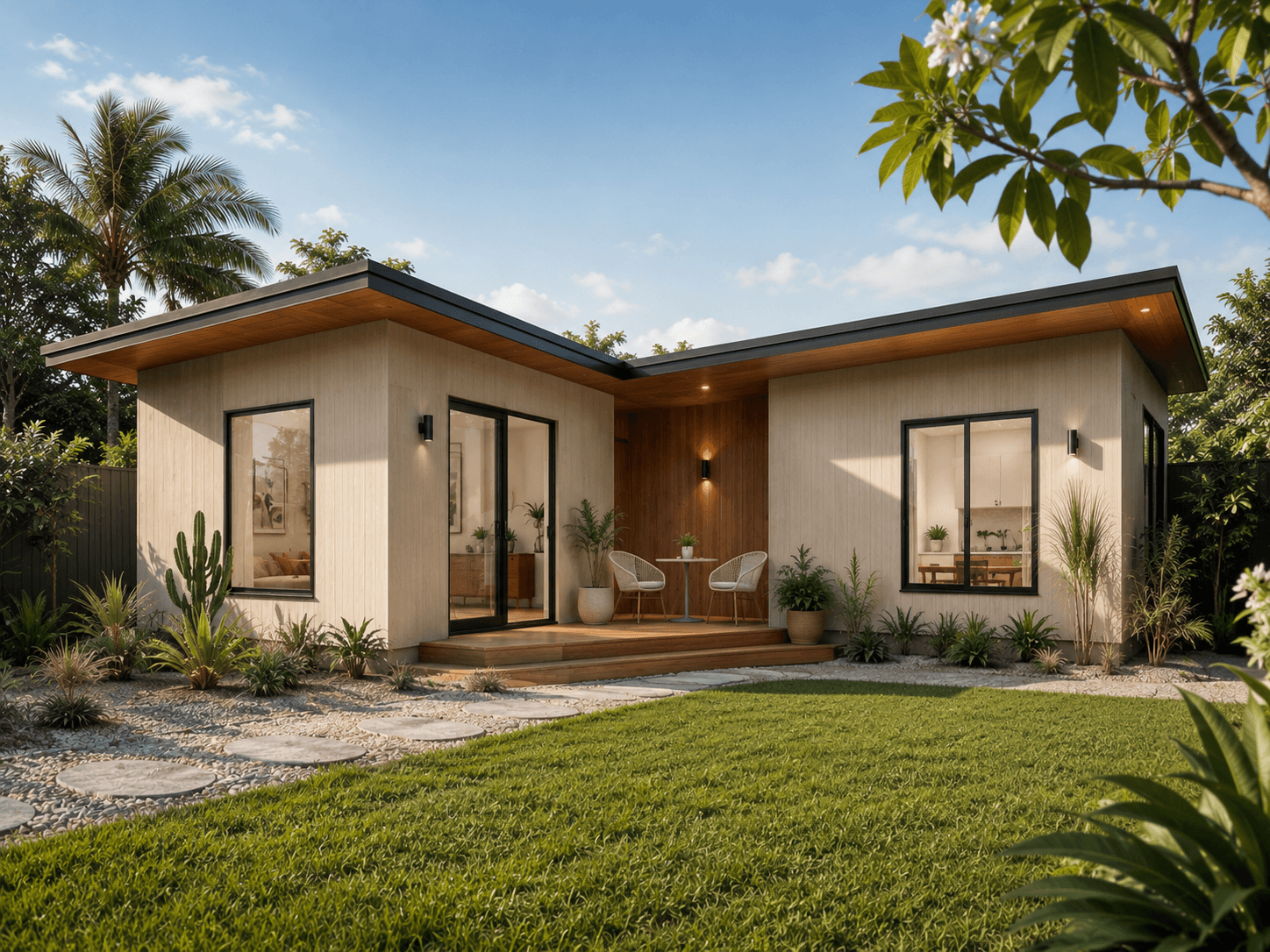
What Are Granny Flats? Complete Guide to Secondary Dwellings in Australia
Granny flats are self-contained secondary dwellings built on residential properties. Learn everything about these versatile compact homes and why they're popular across Australia.
Ready to Start Your Granny Flat Project?
Get expert guidance from our team. We handle everything from design to approvals to construction.