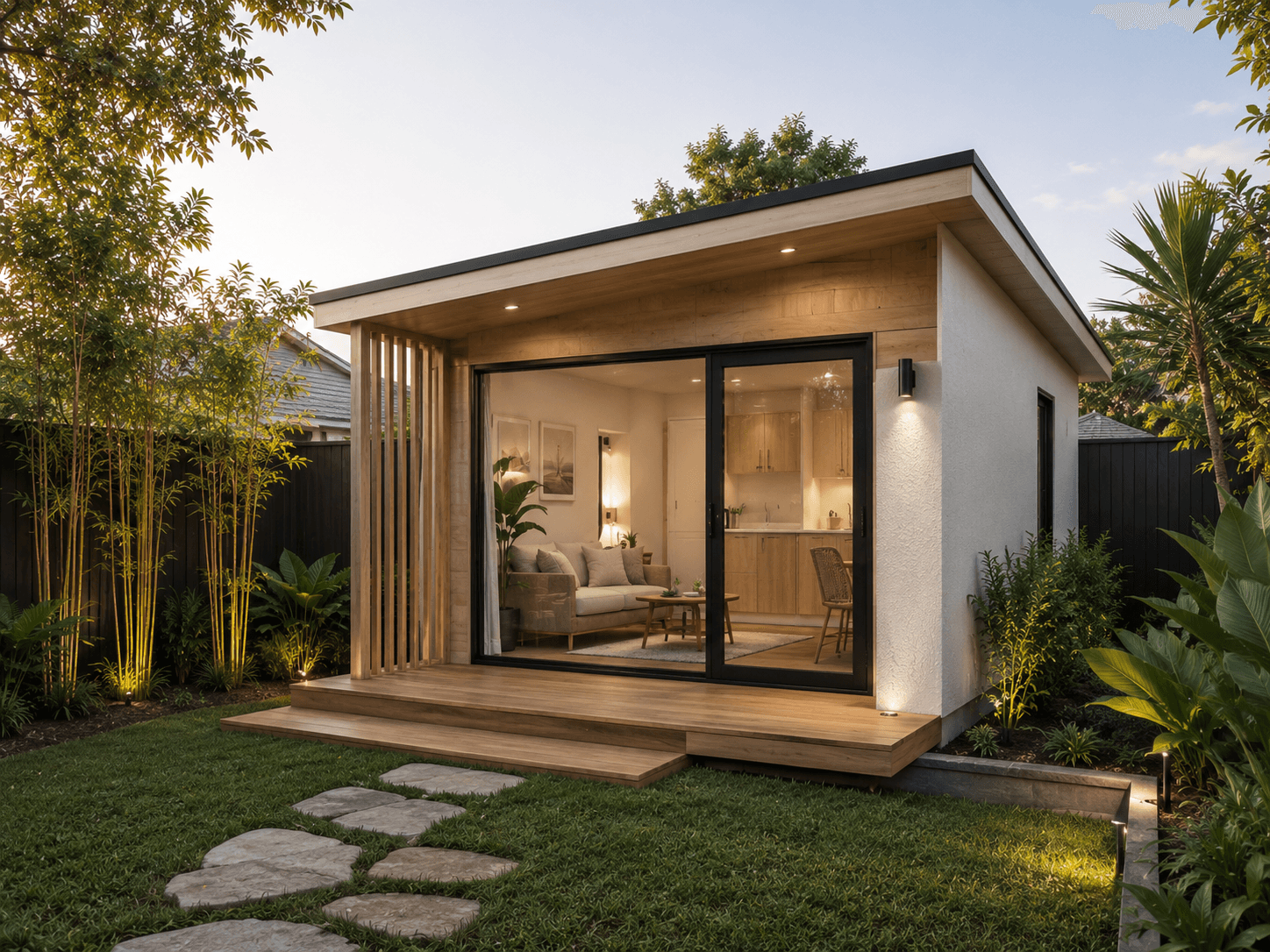
Do Granny Flats Need Council Approval? QLD & NSW Requirements
One of the most common questions we receive is whether granny flats need council approval. The short answer is yes—all granny flats require some form of approval before construction. However, the approval pathway varies depending on your location, property characteristics, and the proposed granny flat design.
Understanding Granny Flat Approval Pathways
In Queensland and NSW, granny flat approvals generally fall into two categories: complying development (also called exempt or self-assessable development) and development applications (DA). Understanding these pathways helps you plan your granny flat project timeline and budget.
Complying Development for Granny Flats
Complying development is a streamlined approval process for granny flats that meet specific criteria. This pathway allows faster approvals through a private certifier rather than council assessment. In NSW, complying development certificates (CDC) can approve granny flats in as little as 10-20 days.
To qualify for complying development, your granny flat must meet requirements including maximum floor area limits, minimum lot size, setback distances from boundaries, and design standards. Properties in flood zones, heritage areas, or bushfire-prone land may not qualify for complying development.
Development Application (DA) Process
When a granny flat doesn't meet complying development criteria, a development application to council is required. The DA process involves submitting detailed plans for council assessment, which typically takes 40-60 days or longer. While slower, the DA pathway allows more flexibility in granny flat design and placement.
Granny Flat Approval Requirements in Queensland
Queensland councils regulate granny flats as secondary dwellings under local planning schemes. Approval requirements vary between councils, but common criteria apply across South East Queensland regions.
Brisbane Granny Flat Approvals
Brisbane City Council allows secondary dwellings on properties zoned for residential use. Granny flats in Brisbane typically require building approval and may need planning approval depending on the property's zone and overlay codes. Properties in character areas or with heritage listings face additional requirements. Learn more about granny flat approvals in Brisbane.
Gold Coast Granny Flat Approvals
Gold Coast City Council permits granny flats on residential properties meeting minimum lot size requirements. The approval pathway depends on your property's zone and any applicable overlays. Many Gold Coast granny flats qualify for code-assessable approval, offering faster processing than impact-assessable applications. Our Gold Coast granny flat builders can guide you through the process.
Sunshine Coast Granny Flat Approvals
Sunshine Coast Council has specific provisions for secondary dwellings in their planning scheme. Granny flat approvals on the Sunshine Coast consider lot size, existing dwelling coverage, and infrastructure capacity. Coastal areas may have additional requirements related to environmental overlays.
Granny Flat Approval Requirements in NSW
New South Wales introduced the State Environmental Planning Policy (Affordable Rental Housing) to streamline granny flat approvals. This policy allows complying development approval for secondary dwellings meeting specific criteria, bypassing the traditional DA process.
NSW Complying Development Criteria
To qualify for complying development in NSW, your granny flat must meet these requirements:
- Maximum floor area of 60m² (internal)
- Minimum lot size of 450m² in most zones
- Property must be zoned R1, R2, R3, or R4 residential
- Not located in heritage conservation area or on heritage-listed land
- Not in environmentally sensitive areas or flood-prone land
- Meets setback requirements from boundaries and existing structures
- Complies with building height limits
Tweed Heads Granny Flat Approvals
Tweed Shire Council in Northern NSW follows state planning policies for secondary dwellings. Many Tweed Heads properties qualify for complying development granny flat approval, particularly in established residential areas. Properties near the coast or in rural zones may require DA assessment.
What Documents Do You Need for Granny Flat Approval?
Granny flat approval applications require comprehensive documentation. Working with an experienced granny flat builder ensures all required documents are prepared correctly, avoiding delays and additional costs.
- Site plan showing property boundaries, existing structures, and proposed granny flat location
- Architectural drawings including floor plans, elevations, and sections
- Engineering specifications for footings and structural elements
- BASIX certificate (NSW) or energy efficiency assessment
- Stormwater management plan
- Statement of environmental effects (for DA applications)
- Owner's consent if applicant is not the property owner
How Long Does Granny Flat Approval Take?
Granny flat approval timeframes depend on the approval pathway and council workload. Understanding typical timelines helps you plan your project schedule.
Complying development certificates typically take 10-20 business days once all documentation is submitted. Development applications average 40-60 days but can extend to 90+ days for complex applications or properties with overlays. Building approval (construction certificate) adds another 5-10 business days after planning approval.
Common Reasons Granny Flat Approvals Are Rejected
Understanding why granny flat applications fail helps you avoid common pitfalls. Working with experienced professionals minimises rejection risk and project delays.
- Insufficient lot size for secondary dwelling
- Proposed granny flat exceeds maximum floor area
- Setback distances not meeting requirements
- Property in excluded zone (heritage, flood, bushfire)
- Incomplete or incorrect documentation
- Non-compliant design elements
- Inadequate stormwater or drainage provisions
Can You Build a Granny Flat Without Approval?
Building a granny flat without proper approval is illegal and carries serious consequences. Unapproved structures may face demolition orders, substantial fines, and complications when selling your property. Insurance coverage may also be void for unapproved buildings.
Always obtain proper approvals before commencing granny flat construction. The approval process protects your investment and ensures your secondary dwelling meets safety and quality standards.
Need help navigating granny flat approvals? Our team handles the entire approval process for you. Contact us for a free consultation and site assessment.
How Universe Granny Flats Handles Approvals
At Universe Granny Flats, we manage the complete approval process for your secondary dwelling. Our service includes initial site assessment to determine approval pathway, preparation of all required documentation, lodgement and liaison with councils or certifiers, and ongoing communication throughout the approval process.
Our experience with councils across South East Queensland and Northern NSW means we understand local requirements and can anticipate potential issues before they cause delays. We take the complexity out of granny flat approvals so you can focus on planning your new secondary dwelling.
Wondering about building multiple dwellings? Read our guide on how many granny flats you can have on a property.
Related Topics
Related Articles
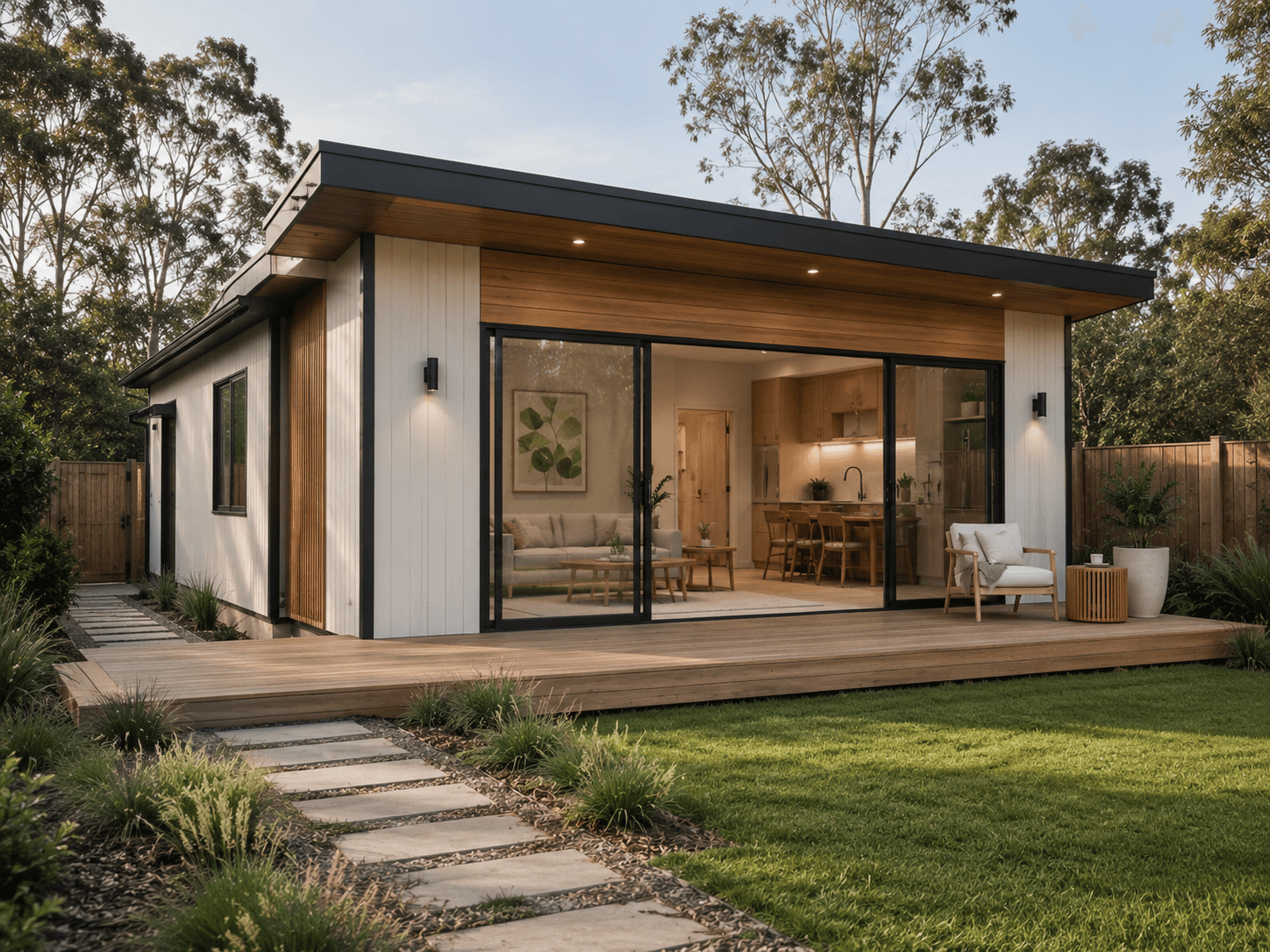
Granny Flat Rules & Regulations: Complete QLD & NSW Guide
Navigate granny flat regulations with confidence. This comprehensive guide covers all the rules for secondary dwellings in Queensland and NSW, from setbacks to parking requirements.
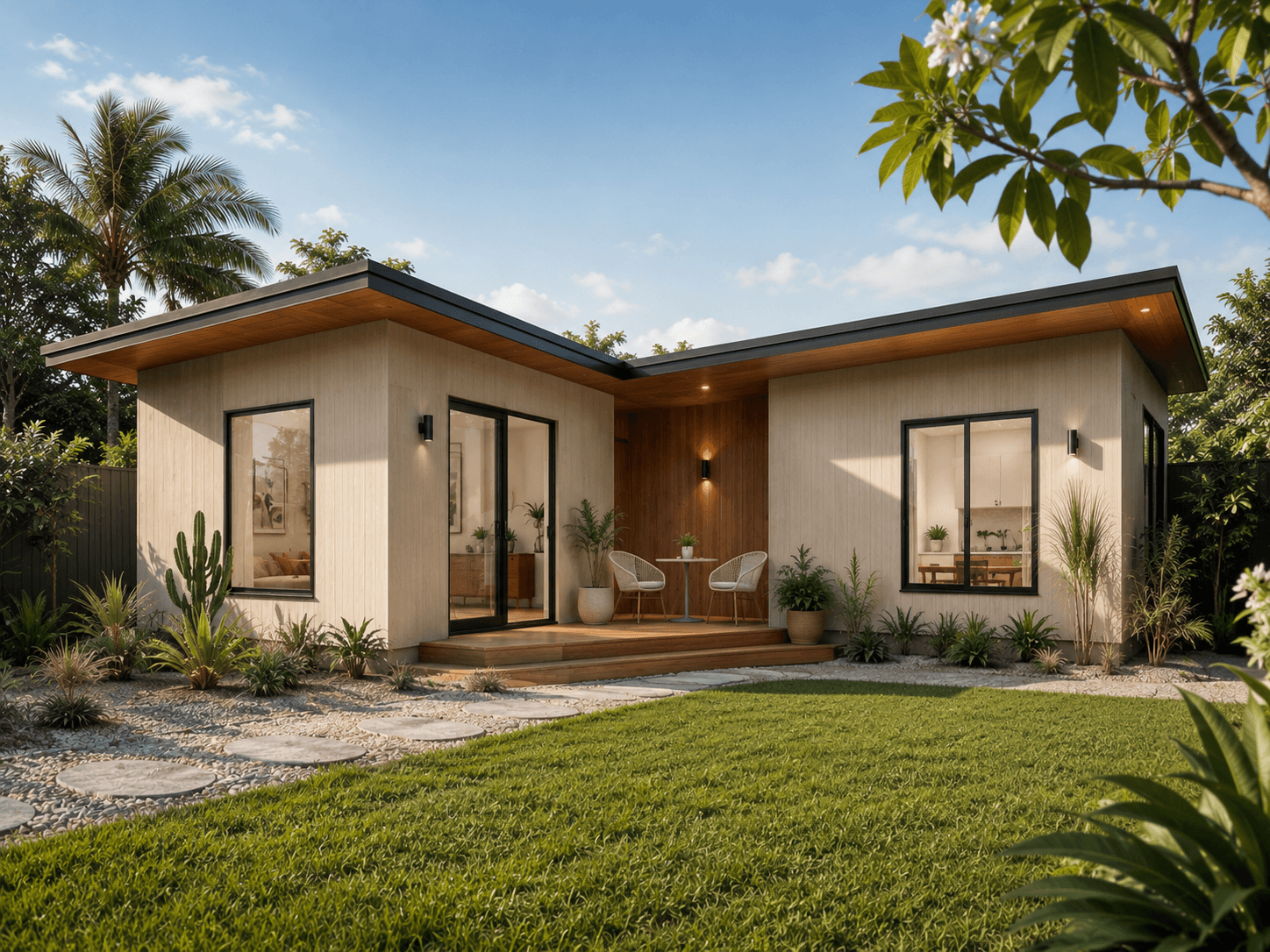
What Are Granny Flats? Complete Guide to Secondary Dwellings in Australia
Granny flats are self-contained secondary dwellings built on residential properties. Learn everything about these versatile compact homes and why they're popular across Australia.
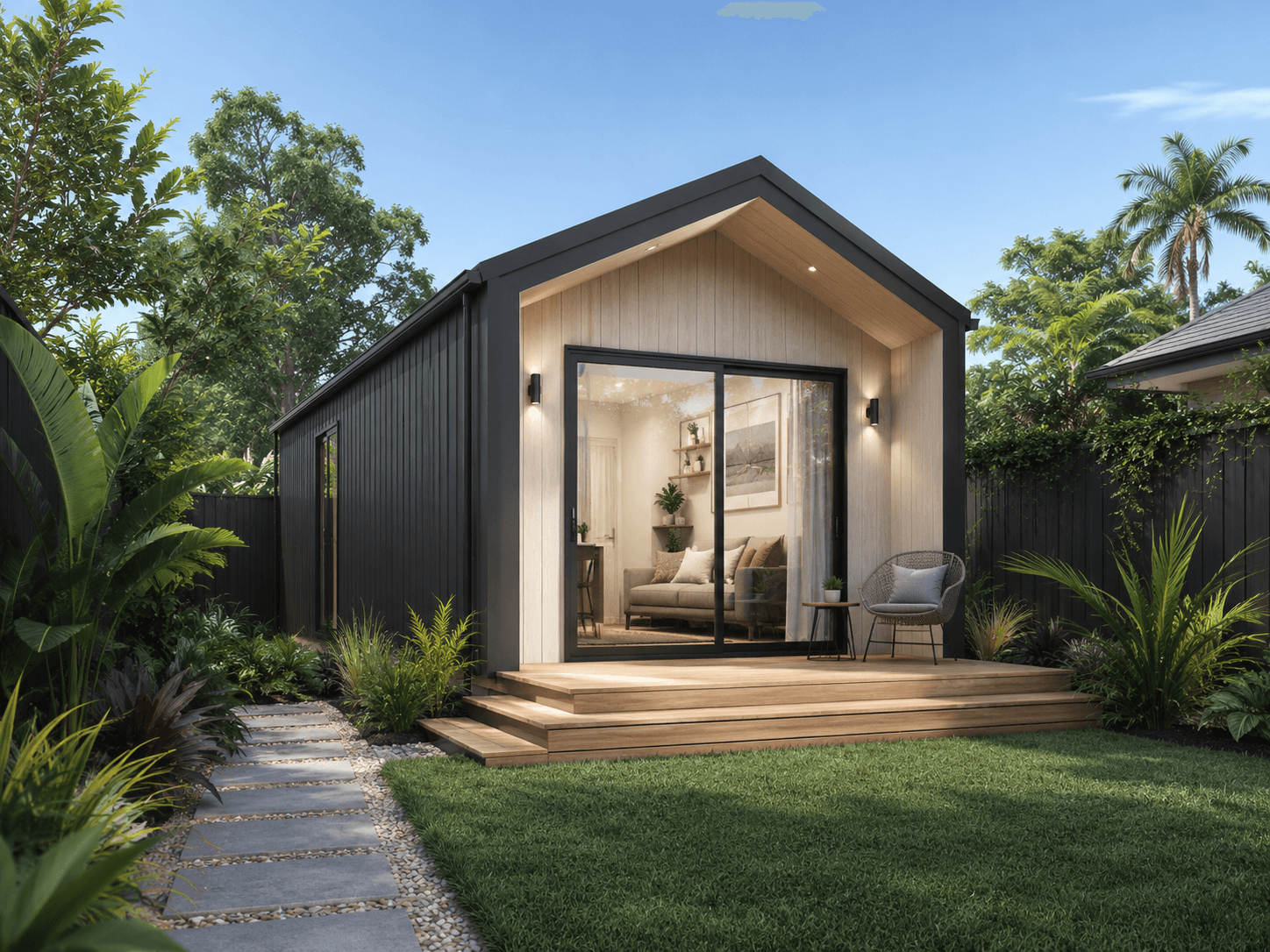
How Many Granny Flats Can You Have on a Property? Rules Explained
Wondering if you can build multiple granny flats on your property? Understand the regulations around secondary dwelling numbers and explore alternatives like dual occupancy.
Ready to Start Your Granny Flat Project?
Get expert guidance from our team. We handle everything from design to approvals to construction.